
Events bring people together — and audiences don’t always share one language. Ticket Place can now be browsed in eight languages: English, Spanish, Russian, German, Italian, Chinese (Simplified), Japanese and Ukrainian.
How it works
Use the language dropdown in the top-right of the public header — it’s the compact two-letter selector next to the design toggle — or the Language row at the bottom of the account sidebar when you’re signed in. Pick a language and the page reloads translated; choose EN to return to English at any time.
What gets translated
Translation covers the whole page: navigation, event details, pricing, checkout copy and more. Event organizers don’t need to do anything — if your audience prefers another language, your event page simply works for them.
Why it matters
Many of the communities our organizers serve — dance schools, community theaters, cultural organizations — are multilingual. A buyer who can read the event details and checkout flow in their own language is a buyer more likely to finish the purchase.
More languages may follow. If your audience needs one we don’t offer yet, let us know through the Contact Us page.
More from the blog

No-Shows, Ticket Transfers and Refunds: An Organizer’s Policy Guide
Write a fair no-show and refund policy before sales open, explain how ticket changes work and give staff a consistent way to handle exceptions.
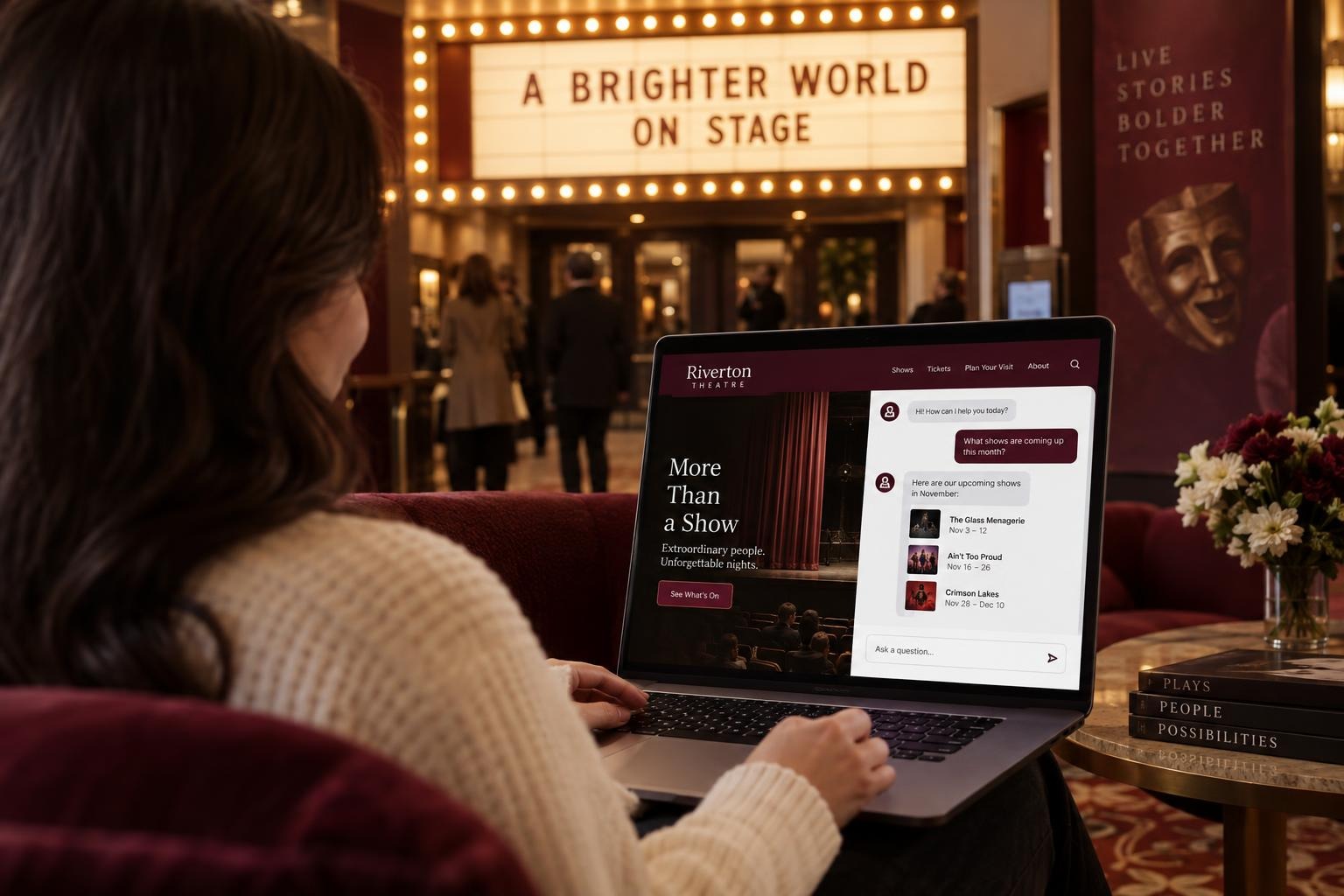
Meet the Ticket Place Chatbot: Instant Answers for Visitors
Questions at 11 PM, right before you buy? Our chatbot answers them instantly, in any language: fees, refunds and payments, events to go to this weekend, missing ticket emails, and every new feature, right from the corner of every page.

Ticket Pricing for Schools and Nonprofits
Set school and nonprofit ticket prices with a written budget, transparent fees and access options, without assuming every audience needs the same policy.